Climate Engineering Conference 2017
Conference film for the Climate Engineering Conference 2017 (CEC17)
- Client
- Institute for Advanced Sustainability Studies (IASS)
- Format
- Conference film
- Services
- Cinematography
- Topic
- Sustainability
2017
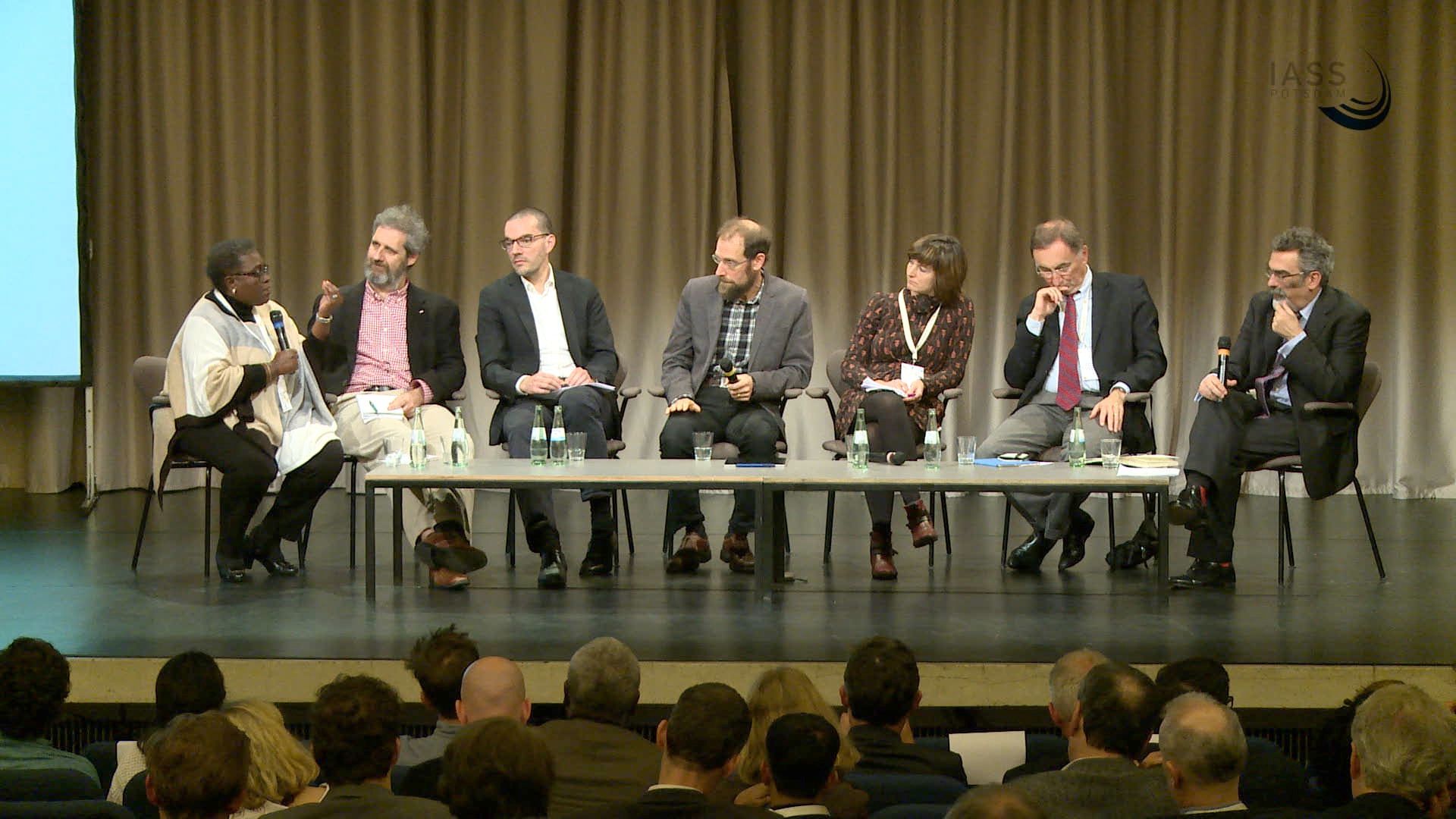
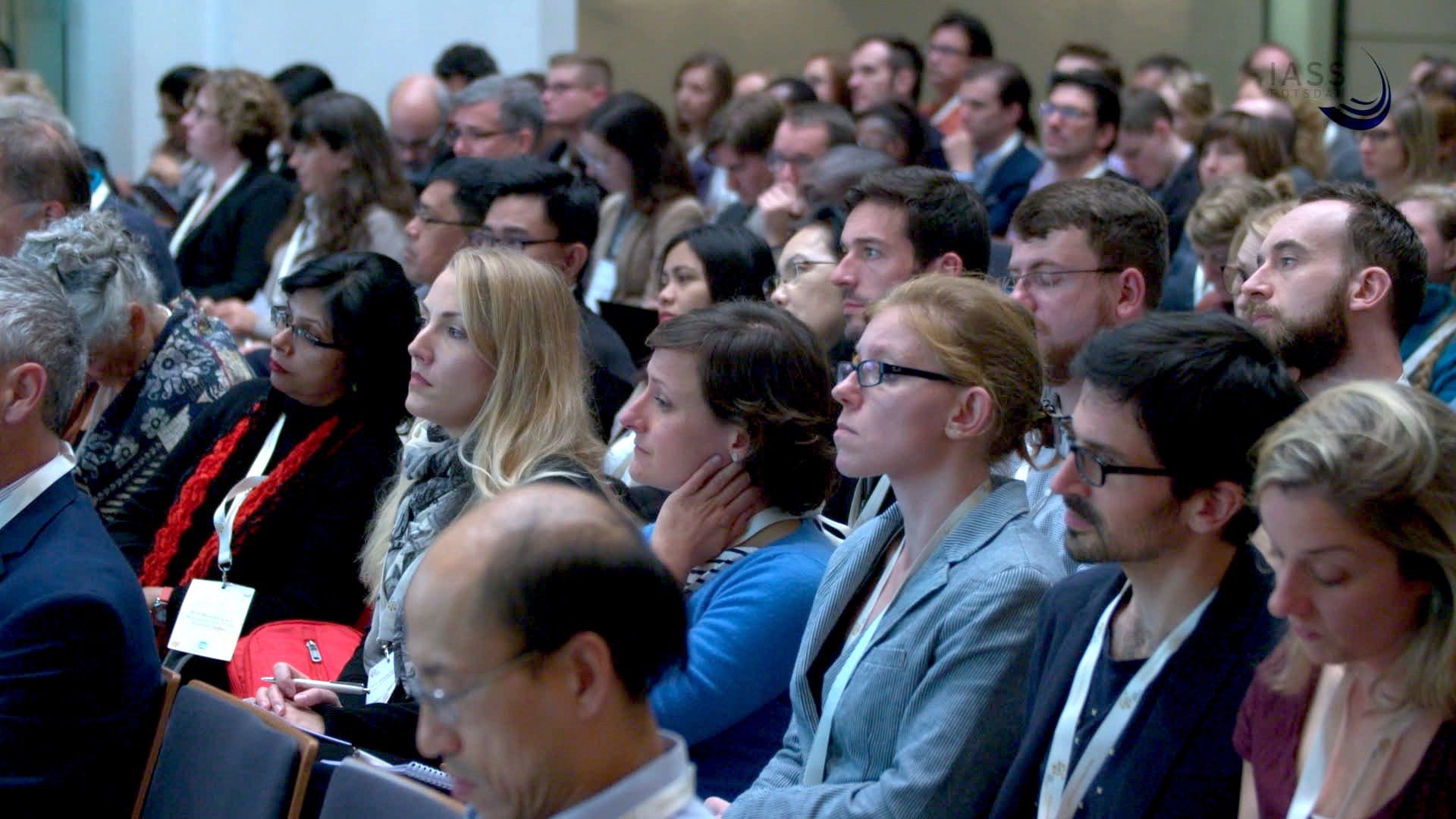
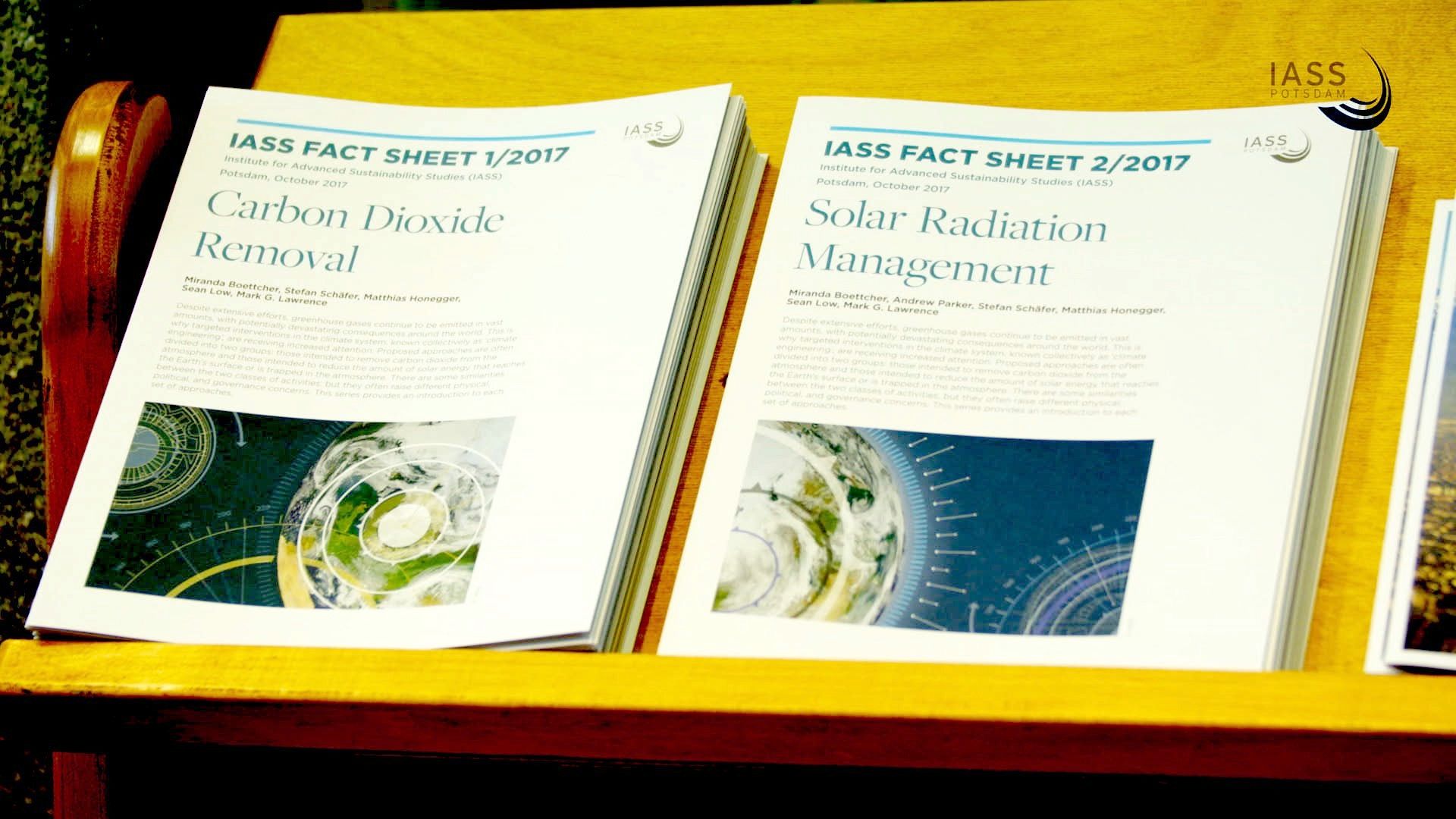
Despite strong efforts by the international community and the historic 2015 Paris Climate Agreement, huge quantities of greenhouse gases are still being released. This could have devastating consequences worldwide. Against this backdrop, debates over two kinds of deliberate intervention in the climate system — often controversial ones — have flared up. Both are commonly grouped together as "climate engineering": 1) removing carbon dioxide from the atmosphere (Carbon Dioxide Removal, CDR), and 2) altering the radiation balance by reducing the amount of sunlight that reaches the Earth's surface or is absorbed by the atmosphere (Solar Radiation Management, SRM). Today, these climate engineering technologies are still largely hypothetical. But given the possibility that they could be deployed on a large scale in the future, a broad societal debate is needed — not only about their possible benefits and risks, but also about whether these technologies should be part of the response to climate change at all. With this need for a societal debate in mind, the IASS, together with an internationally staffed steering committee, held the Climate Engineering Conference 2017 (CEC17) at the Umweltforum in Berlin from 9 to 12 October.
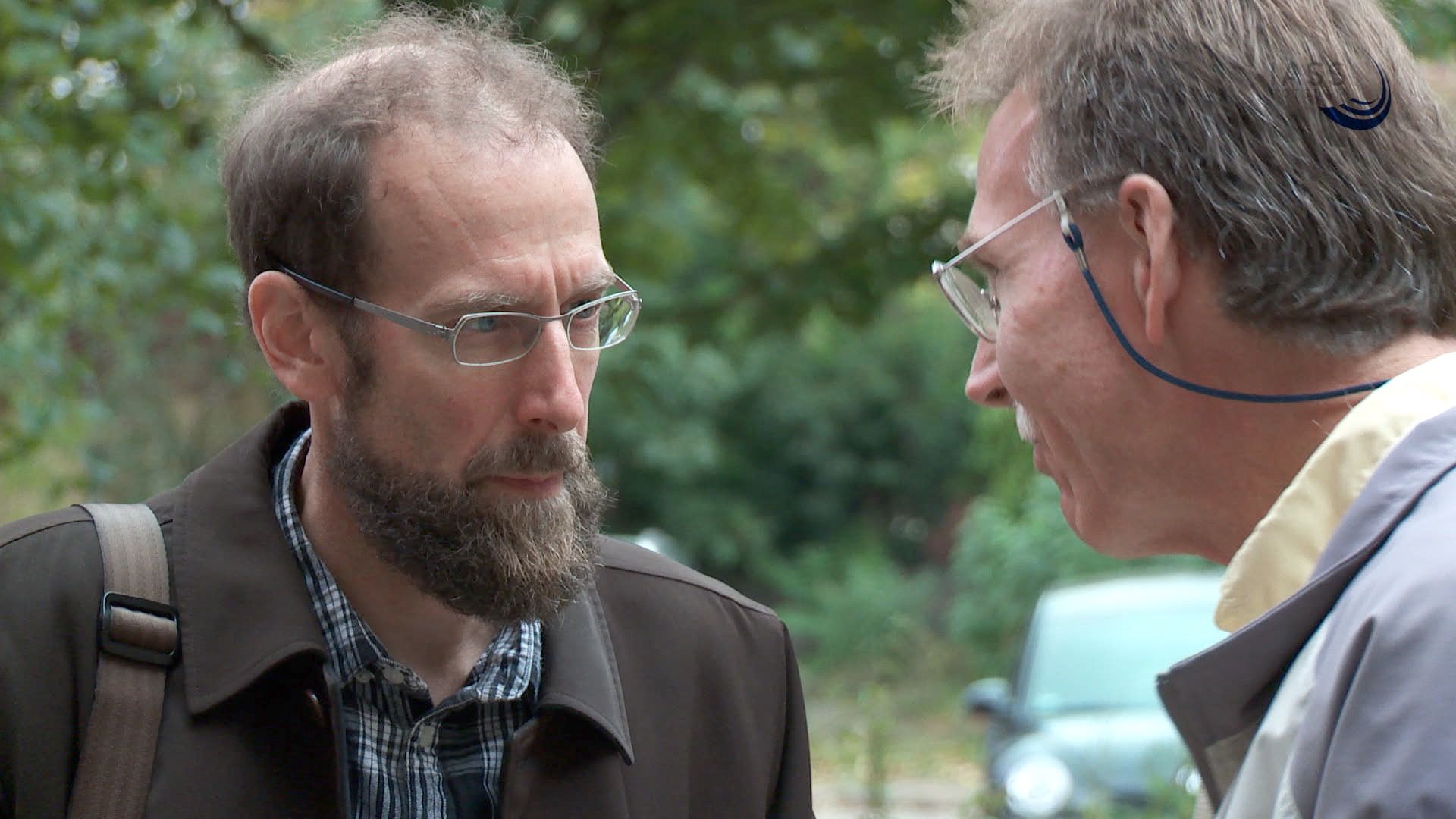
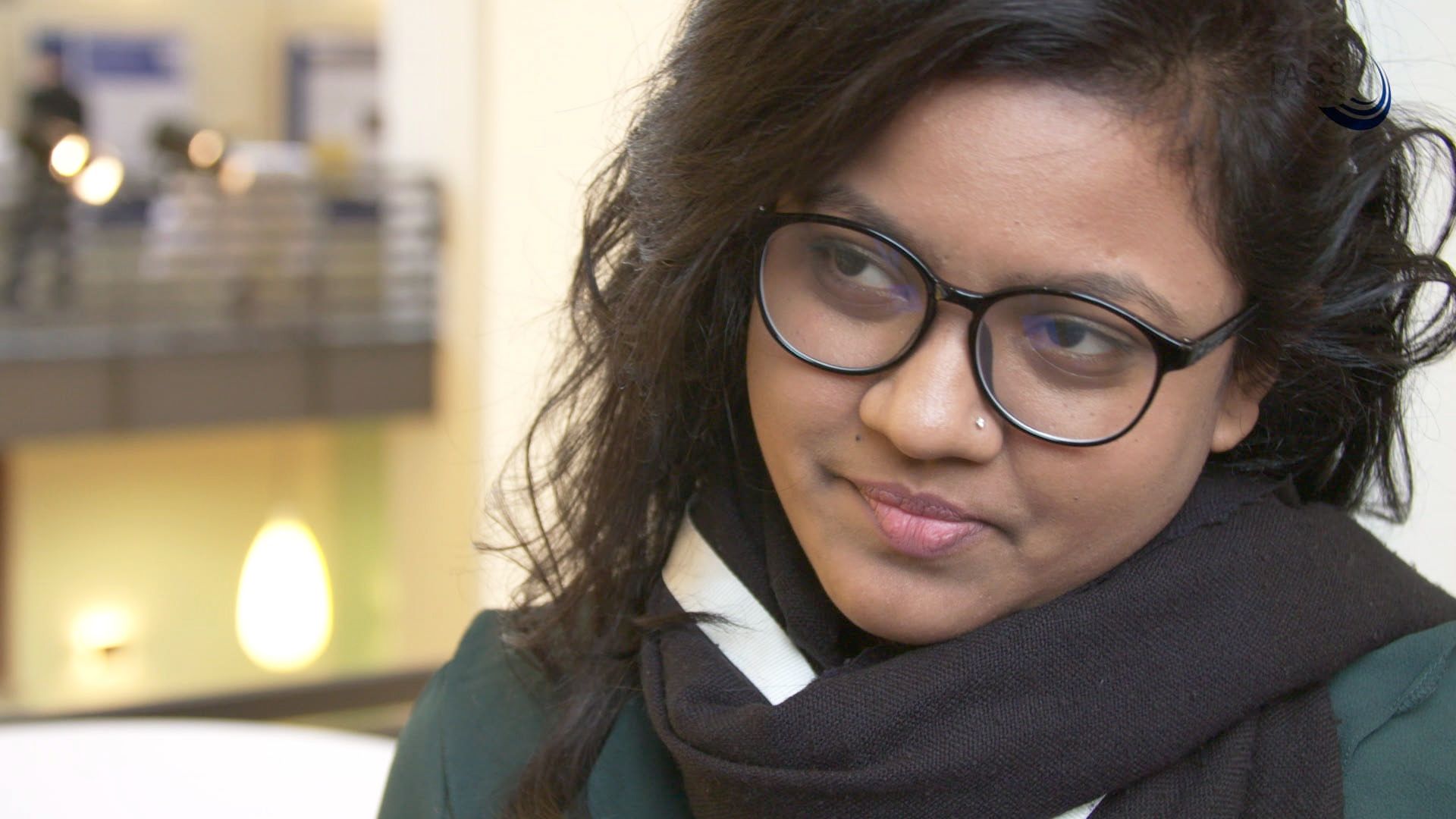
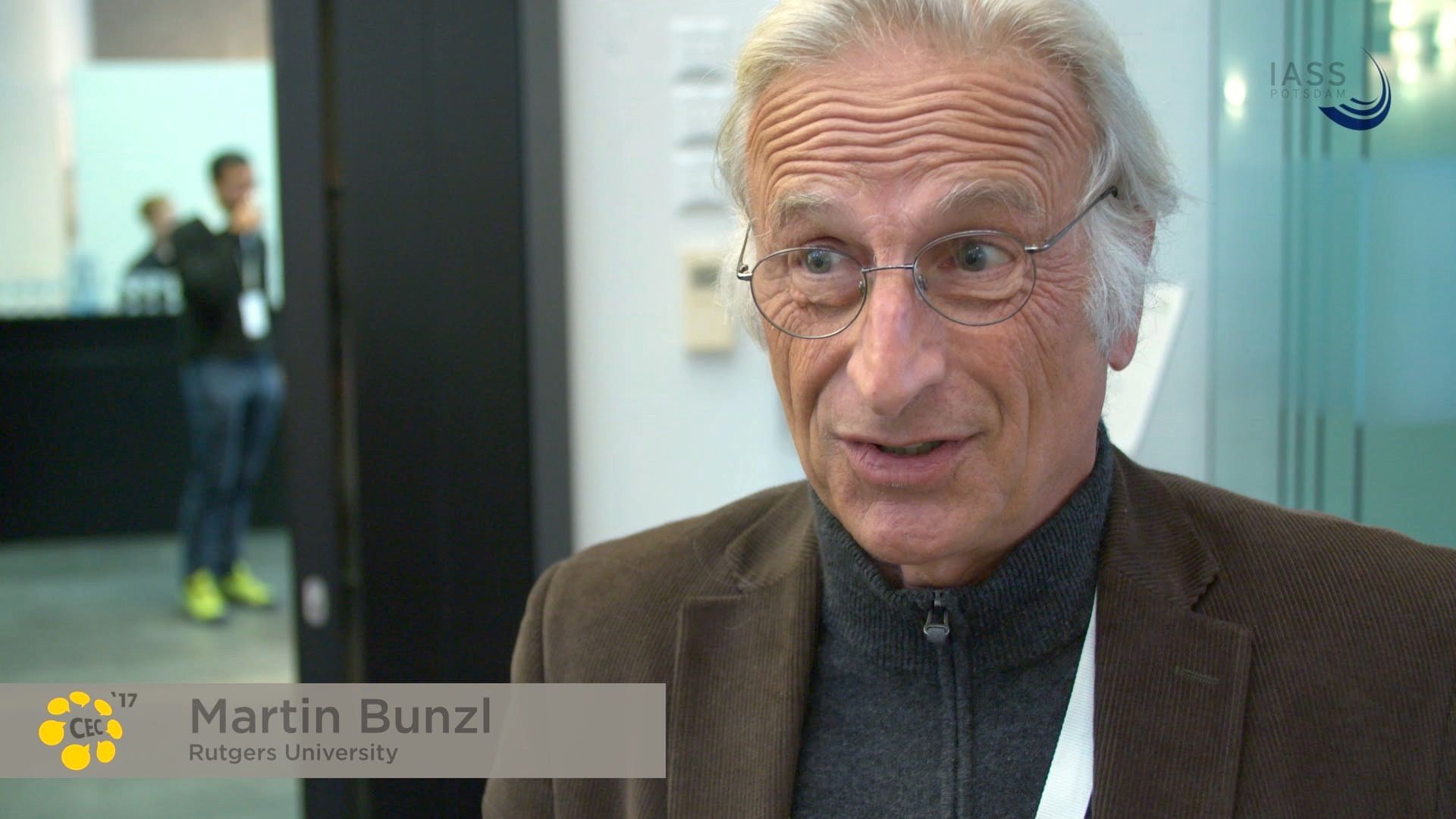
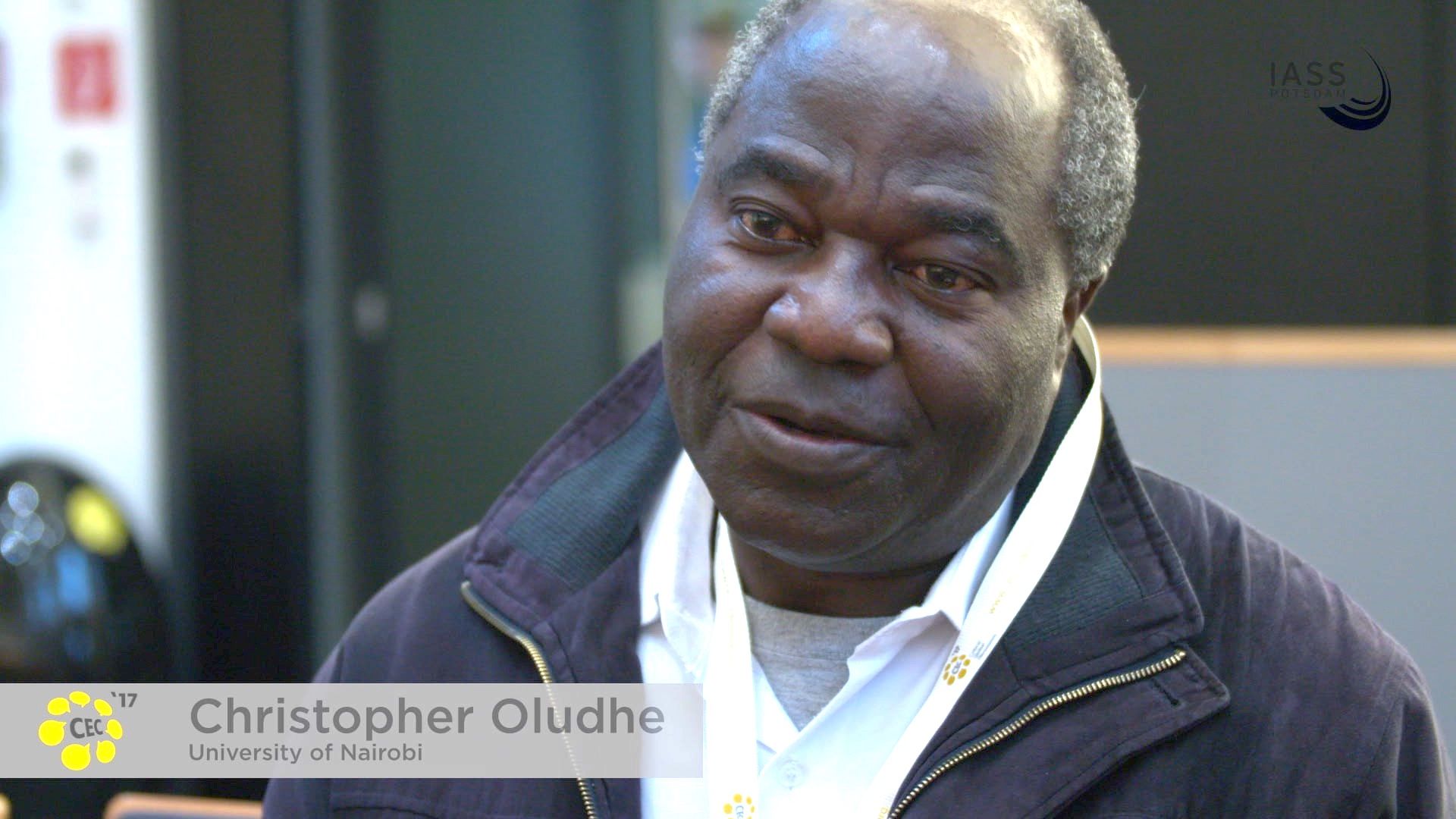
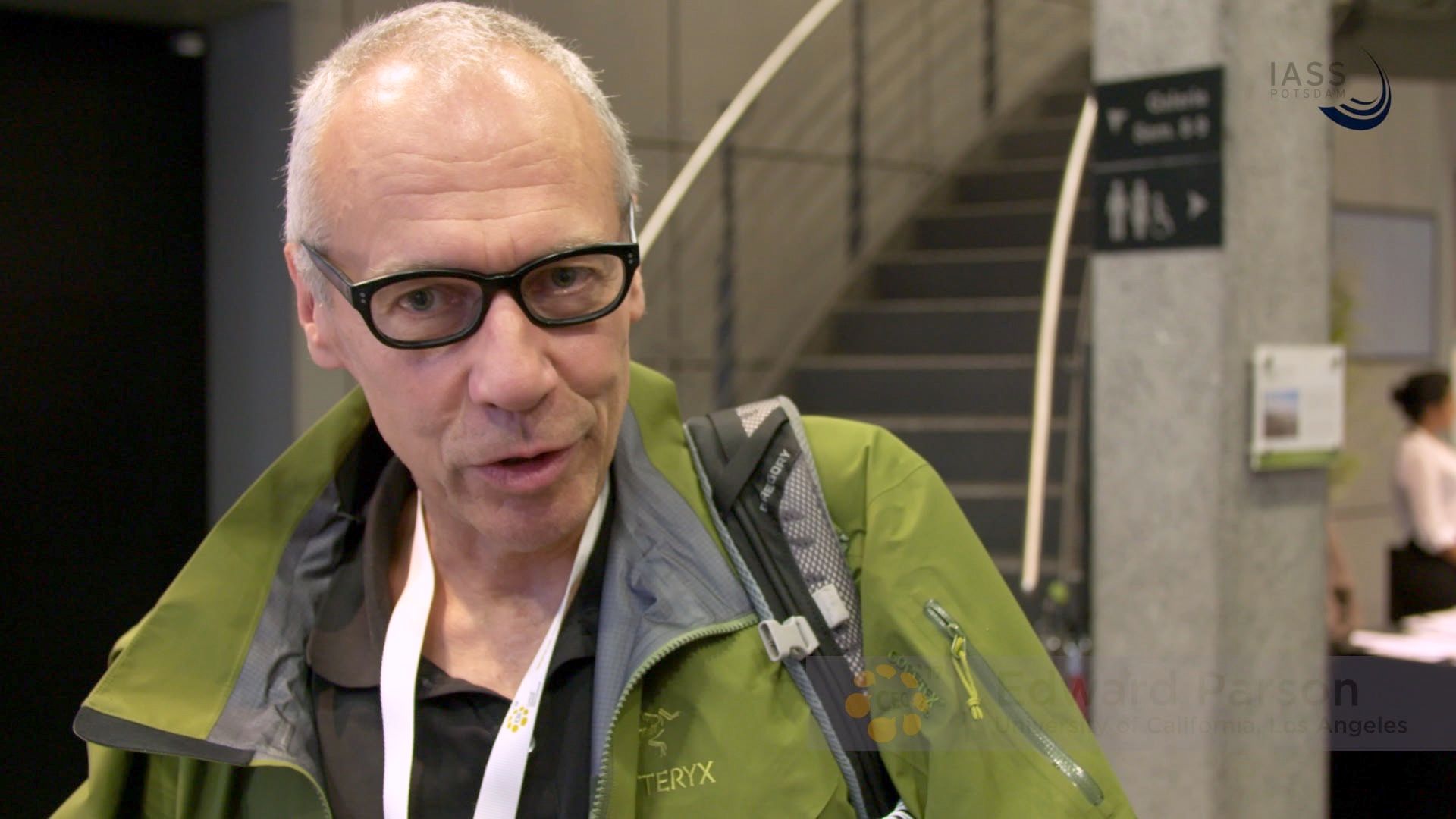
Our conference film gives a voice to leading experts, among them David Keith, Professor of Applied Physics and Professor of Public Policy at Harvard University, János Pásztor, Director of the Carnegie Climate Geoengineering Governance Initiative (C2G2), Lili Fuhr, Head of the Department of Ecology and Sustainable Development at the Heinrich-Böll-Stiftung, Anna-Maria Hubert, Associate Professor at the University of Calgary, and Mark Lawrence, Scientific Director at the Institute for Advanced Sustainability Studies (IASS).
The film
The films are not embedded. Clicking opens YouTube and transmits data to Google.
Stills
Credits
- Camera
- René Arnold
Related projects
To the project archive
Conference film · Institute for Advanced Sustainability Studies (IASS)
Global Sustainability Strategy Forum
Conference film · Institute for Advanced Sustainability Studies (IASS)
Marine Regions Forum
Conference film · Institute for Advanced Sustainability Studies (IASS)
Sustainable Development: A Question of Science