Oil – and still no end?
TV documentary for the 3Sat series "hitec"
- Client
- 3Sat
- Format
- Reportage
- Services
- Direction, Production
- Topic
- Sustainability
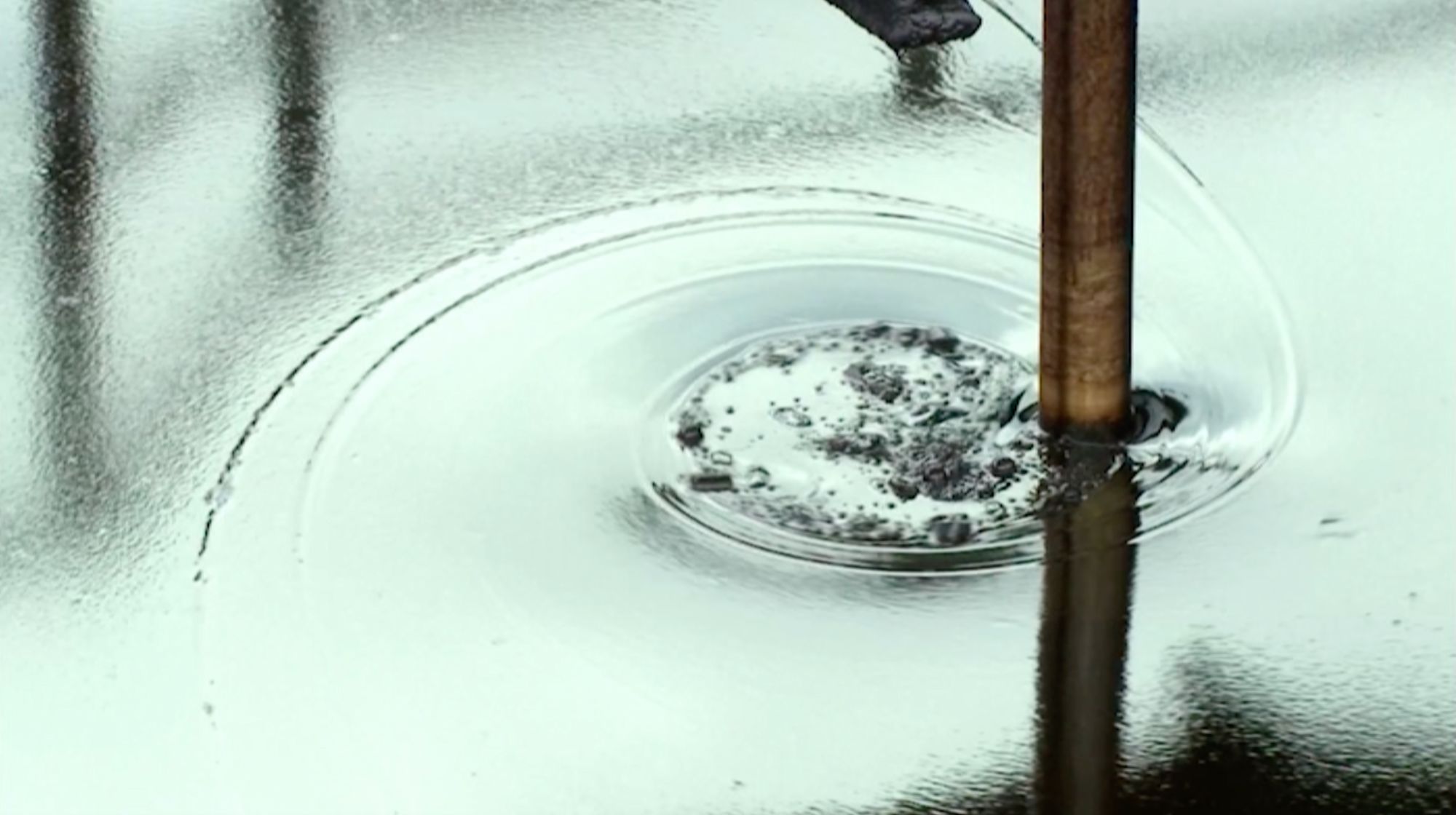
2010
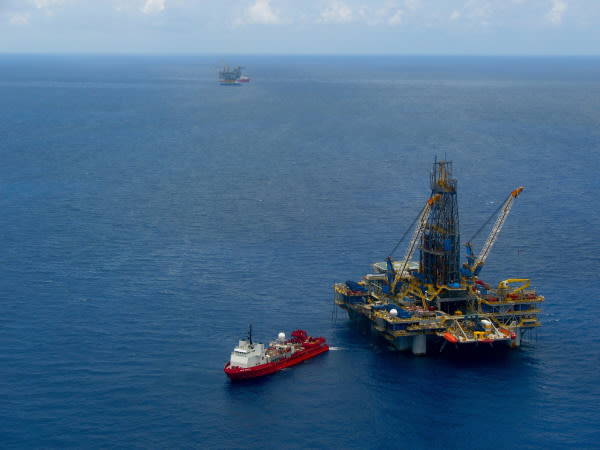
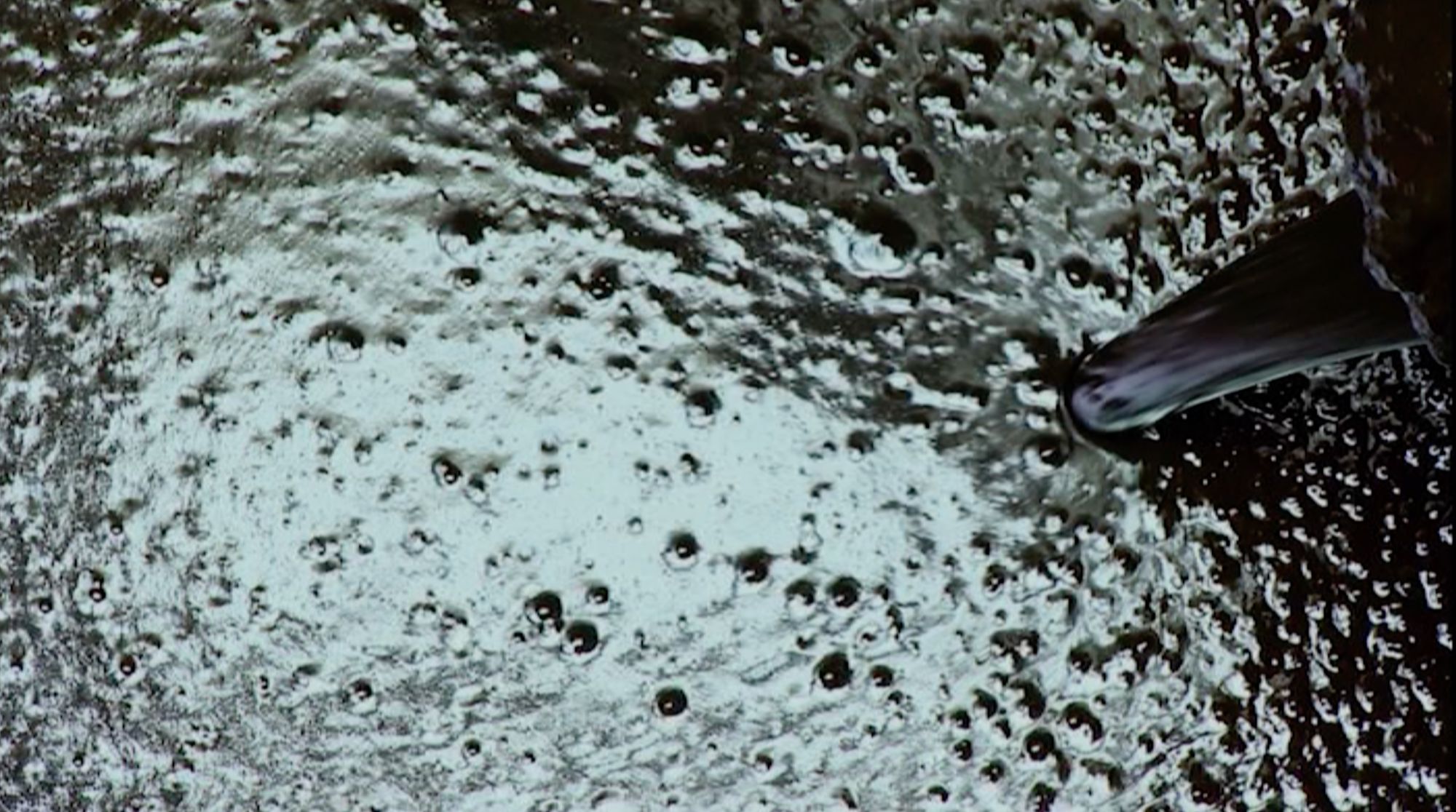
Does crude oil really come from the decomposition of marine fossils over millions of years - or might the raw material form in an entirely different way? In the late 1990s, Russia's Romashkino oil field, the largest in Europe, was pumping nothing but water. A few years later, in 2002, the wells suddenly began producing crude oil again. It was a different oil from the one originally extracted - detectable through what is known as an isotopic fingerprint. But where does this oil come from? Ninety per cent of all matter on Earth forms in the mantle under immense pressure and heat, where molecules are constantly rearranging. Following the Romashkino incident, Russian scientists are pursuing this lead: could it be that, under high pressure at a depth of 120 to 240 kilometres, hydrogen and carbon combine with iron oxide to form crude oil?
The Russian researchers' results from the high-pressure laboratory appear plausible - after all, they were published in the journal "Science". If their findings hold, oil would be forming continuously, and the oil industry's search for the resource would really only just be beginning. But who has an interest in investigating these findings any further? For decades, we have been told that oil is about to run out. Profit in the oil business depends directly on trading an - unpredictably - scarce commodity. Anything else spoils the price. The "hitec" documentary "Oil and still no end?" digs into what is really behind this and other unsettling stories from science and industry surrounding crude oil.
Stills
Credits
- Direction
- Volker Barth, Susanne Richter
- Production
- Anthro Media
Related projects
To the project archive
Reportage · Institute for Advanced Sustainability Studies (IASS)
Potsdam Summer School 2022
Reportage · Institute for Advanced Sustainability Studies (IASS)
What’s next for the Climate Strike Movement?
Reportage · Universität Potsdam, Institut für Umweltwissenschaften und Geographie
How can cities prepare for extreme weather events?